Archives
Manuscript vs. Archive Document: What’s the Difference and Why It Matters for Local History
A small historical collection receives two items on the same morning: a bound account book from 1874, and a bundle of loose receipts tied with string. Both are paper, both are handwritten, both are old enough to smell of it. The cataloguer writes one word on one folder and a different word on the other. That quiet decision will shape how the items are stored, described, cited, and — more often than anyone likes to admit — whether a researcher ever finds them at all.
The Basic Difference, Stated Plainly
A manuscript is a handwritten item considered in its own right. A medieval chronicle, a music score, a diary, a book of hours, a charter on parchment: each is treated as a whole object with its own physical story. The cataloguer cares about the hand that wrote it, the support it is written on, the binding, the decoration, the later notes in the margins.
An archive document is a record created by a person or an institution in the course of doing something — collecting rent, electing a mayor, baptising a child, paying a mason. What defines it is not the handwriting but the relationship: it belongs to a group of records produced by the same activity and kept together because of it.
Put simply, a manuscript is a kind of object. An archive document is a kind of connection. The same physical item can be both, which is where most of the confusion begins.
Provenance Decides More Than the Handwriting
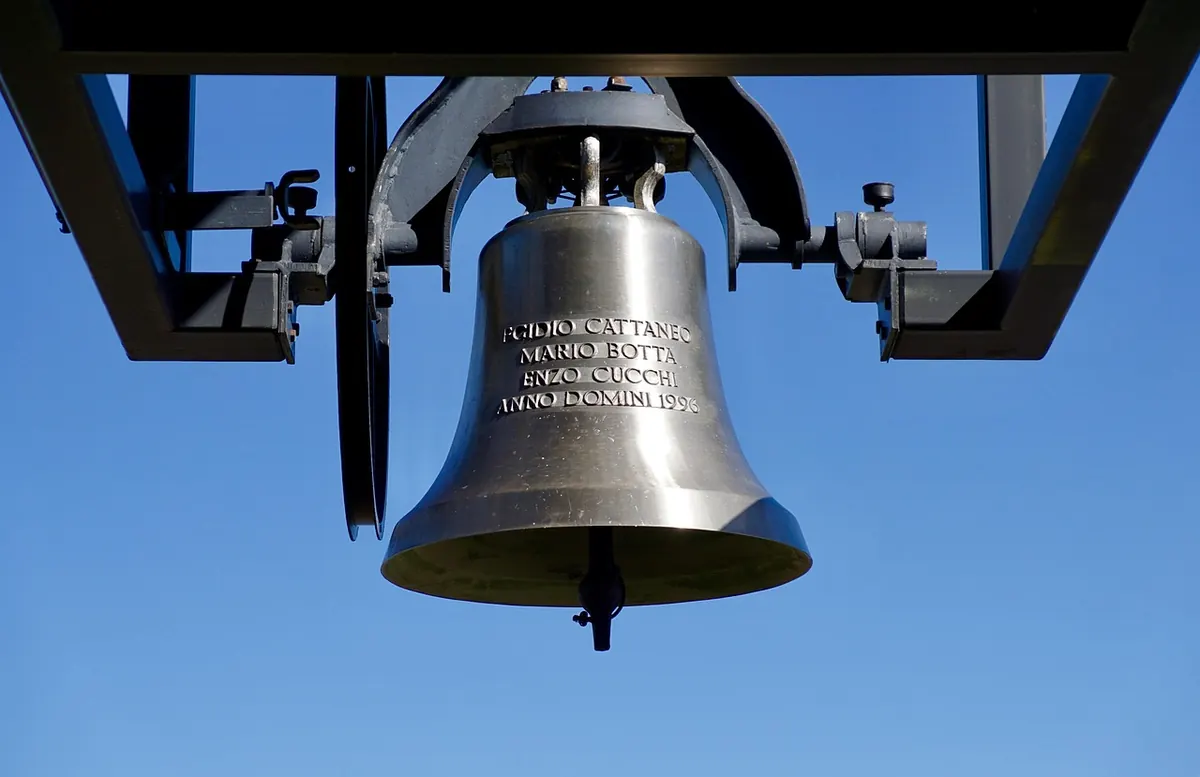
Archivists describe records in layers: the whole body of papers (the fonds), the offices or functions within it (the series), the bundle or folder (file), and only then the single item. A receipt for wax in a church fabric fund means very little on its own. Beside the year's accounts, the contracts for candles, and the payments to a bell founder, it becomes evidence of how a building was maintained, who supplied it, and how far the parish could stretch its budget.
Remove that receipt from its bundle and put it in a display case as "an interesting old document" and you have not lost the paper — you have lost the argument it was quietly making.
A manuscript can be understood alone. An archive document is understood with its neighbours.
This is why archivists resist rearranging papers by subject or by date. The original order is itself evidence, sometimes more revealing than anything written on the page.
Storage: Different Risks, Different Routines
Because the two are not the same kind of thing, they fail in different ways.
Manuscripts
Bound volumes carry structural problems: broken sewing, detached boards, spines that crack when a book is forced open past its natural angle. Parchment responds to humidity by rippling or shrinking; iron gall ink can burn through paper over centuries. Good practice means foam cradles and snakes, weights rather than pressure, and photography or scanning instead of repeated handling. Institutions differ on gloves; what matters is a consistent rule, clean dry hands, and extra care with metal fittings, seals and photographic material.
Archive documents
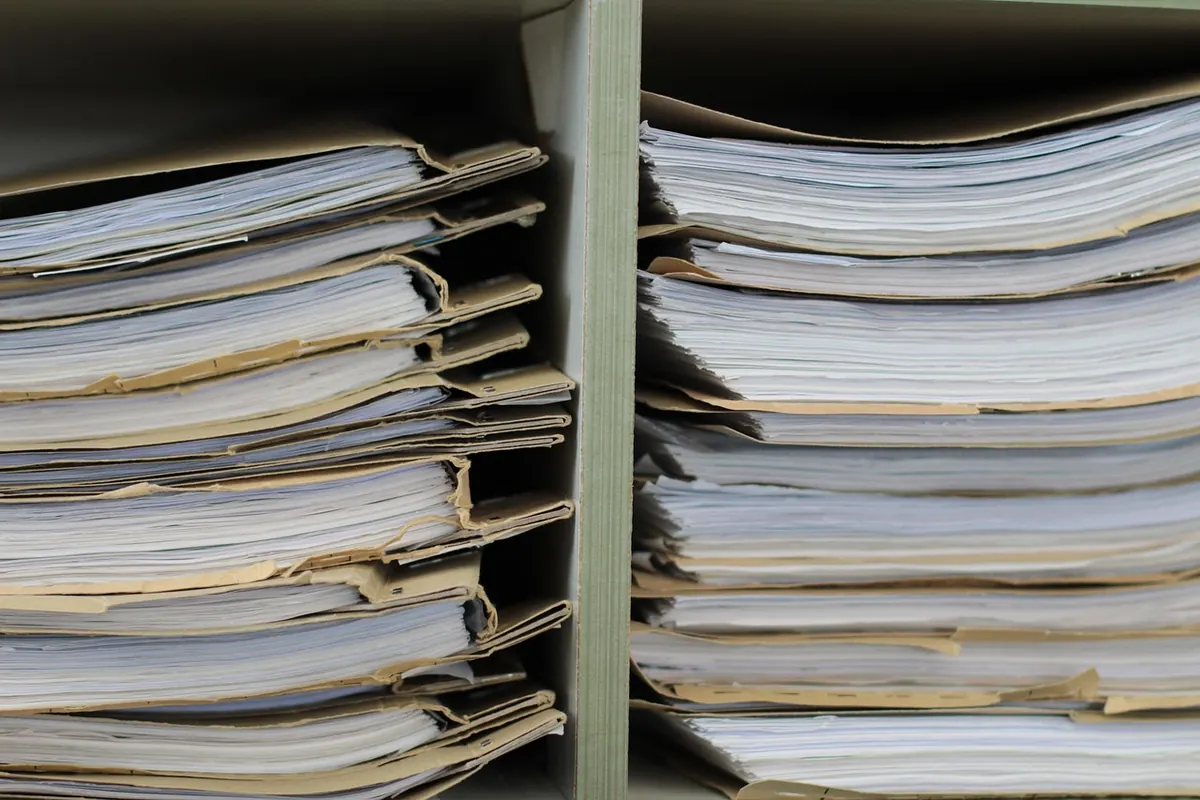
Here the enemy is volume and improvisation. Rusting pins, rubber bands that perish onto paper, pressure-sensitive tape, brittle newspaper cuttings folded into correspondence, documents crammed into a busta three times too full. The routine work is unglamorous and constant:
- Remove metal fasteners and rubber bands; replace them with archival folders or unbleached tape where a repair is needed.
- House loose papers in acid-free folders inside rigid document boxes, upright and neither slumped nor compressed.
- Keep the original order of a bundle intact, and record any intervention in a note.
- Do not flatten folded items, trim frayed edges, or laminate anything, however tempting the tidiness.
- Separate photographs, tracing paper and newsprint where storage conditions allow, since they age differently from writing paper.
- Label boxes in pencil or with removable labels, and keep a box list somewhere that is not the box itself.
Cataloguing: One Object or One Series?
A manuscript usually receives an item-level record. Expect a shelfmark or segnatura, an attribution and title, a date, the support and extent (often given in folios), collation, script, decoration, binding, provenance, condition, and a bibliography. The description aims to let a reader judge whether the object is worth the journey.
An archive document is described within a hierarchy. Standards such as ISAD(G) guide the elements: reference code, title, dates, level of description, extent, creator, administrative history, scope and content, conditions of access. In practice, most individual documents never get their own record — they are covered by a file-level entry and an index of names and places. This is the honest answer to the frequent complaint that "it isn't online": it may be described at bundle level, in an inventory that exists only in typescript in the reading room.
The consequence for anyone searching is direct. Manuscript catalogues reward searching by author, title, or date. Archival finding aids reward searching by creator and function: the parish, the commune, the noble family, the notary, the guild.
How Researchers Actually Use Them
The two answer different questions. Manuscripts suit textual, art-historical and codicological work: who wrote this, when, for whom, how did the text travel, what does the handwriting tell us about the workshop. Archive documents suit administrative, economic, demographic and social history: who owned land, who paid tax, who was paid for what, who was present at a meeting.
Take a bell tower in a small town. The archive gives you the contract with the mason, the payments across four years, the dispute over the bill, the names of the men who carried the stone. A manuscript chronicle, if you are lucky, gives you the sermon preached at the consecration and the reason the town believed it needed a taller tower. Used together, the two produce something neither could manage alone.
Cite them differently, too. A manuscript reference points to shelfmark and folio. An archival reference traces the whole path: fonds, series, busta or filza, item number, date. Sloppy citations in either case make the next researcher start from zero.
The Grey Zones Worth Knowing
Real collections rarely arrive sorted into two tidy categories. A few recurring cases:
- Bound institutional registers. Parish registers, council minutes, guild accounts: they look like books, but they are records created by an office and belong to an archive.
- Diaries and memoirs. Usually manuscripts, unless written as part of an official duty.
- Single-sheet charters. Records in origin, but often catalogued in manuscript collections because of their age and format.
- Family papers. An archival fonds that happens to contain manuscripts, drawings and photographs.
- Loose leaves. A quire or drawing removed from a volume decades ago now sits in a folder with no note explaining where it came from.
Where the border is genuinely unclear, describe the item both ways and write down your reasoning. A short note saves somebody a wasted afternoon in ten years' time.
Practical Checks Before You Ask or Catalogue
- Ask who made it and why. If the answer is "an office, while doing its work", you are dealing with an archive document.
- Look for siblings. Are there other papers from the same activity, and are they kept together? If yes, respect the group.
- Look for an existing reference code. A pencil number on a folder usually means a previous arrangement you should not casually undo.
- Note the physical format. Support, binding, extent and condition belong in the record whichever category you choose.
- Write down the decision and its reason. One sentence in the file is enough, and it keeps the collection consistent when someone else takes over.
The distinction matters beyond the catalogue. It shapes storage budgets, digitisation priorities, conservation treatment, and the way local history is written. Get it right and the parish accounts, the chronicle and the bundle of receipts all keep speaking to each other. For questions of ownership, donation or bequest, take advice from the supervising archive or a qualified professional before signing anything.
Photo: 4262159 / Pixabay
Related Articles