Bell Towers
10 Questions to Ask Before Restoring a Historic Bell Tower
A bell tower is never just a building. It is often the tallest thing for miles, it carries several tonnes of swinging metal, and it has spent centuries taking rain, frost and lightning on behalf of everyone below. By the time a restoration is proposed, it has usually been asking for help for years.
That is why the most useful part of a tower project happens before the scaffolding arrives: the questions. Ask them early, in writing, with the right people in the room, and the work tends to be cheaper, calmer and better. Skip them, and you can spend a great deal of money repairing the wrong thing beautifully.
What do we really know about this tower?
1. What does the record actually contain?
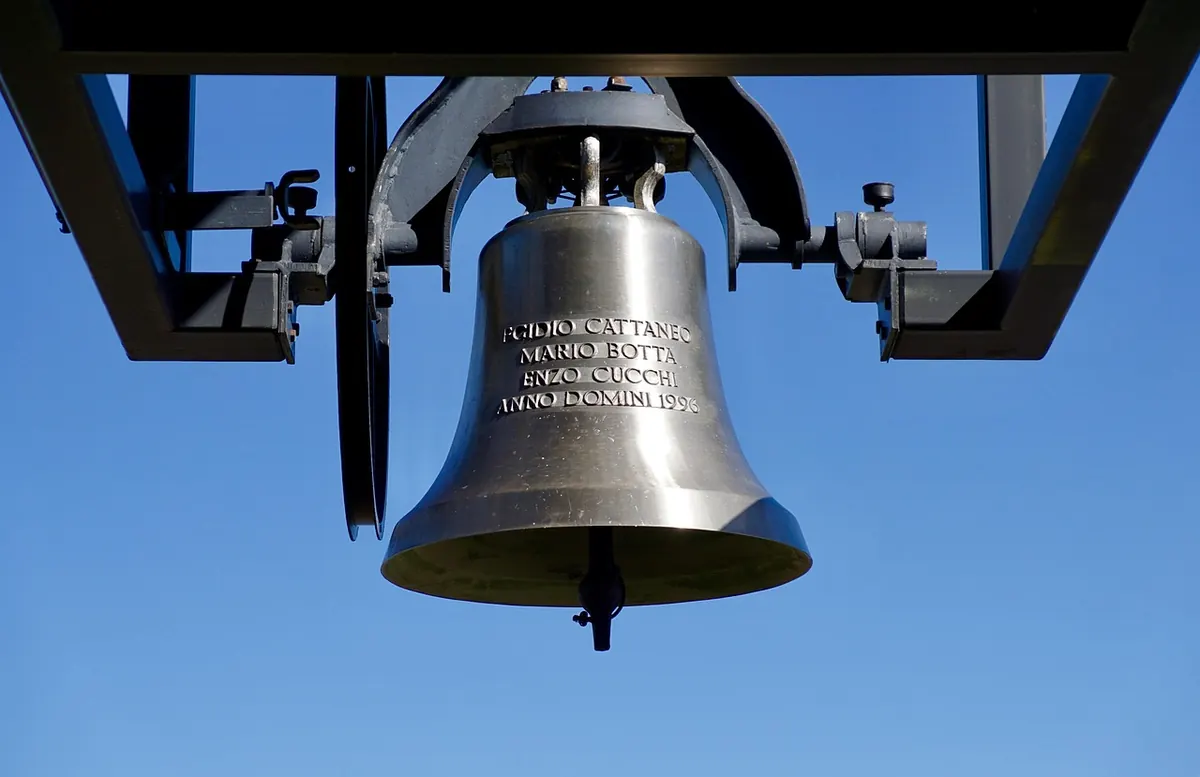
Ask for the file: old photographs, engravings, faculty papers, insurance surveys, previous inspection reports, anything showing the tower before the twentieth century. A photograph from 1900 may be the only surviving evidence for a lost parapet, a different louvre pattern, or a clock face that has since moved. Bell inscriptions, clockmaker plates, weathervanes and even graffiti scratched into lead can date phases of work and name the people who did them.
Do not stop at the parish cupboard. Ask what is held by the local archive, the diocesan record office, the county historic environment record, the amenity society and any former architect or surveyor. Ask what is missing, too. A gap in the record is useful knowledge: it tells you where to tread carefully and where a small opening-up or a measured survey may be worth paying for.
2. What has already been done to it?
Almost every tower carries a twentieth-century layer — cement pointing, iron straps, bitumen paint, a concrete lintel. These are not automatically wrong, but they behave differently from the original fabric. Cement pointing on soft stone is the classic case: harder and less breathable than the stone around it, it drives moisture into the face, which frets away behind a joint that still looks sound. Knowing who did what, and when, stops you repeating a mistake or removing a repair that is quietly working.
Ask for dates, specifications and reasons, not just descriptions. Was the cement pointing put on because the tower was leaking, or because someone thought it looked tidy? Was the concrete lintel inserted after a crack, and has the crack moved since? A good conservation approach is not “remove everything modern”; it is “understand everything modern, then decide what is doing harm and what is doing a job.”
Is the problem where we think it is?
3. Is the tower moving, or merely wet?
Cracks are evidence, not diagnosis. A crack with rounded edges and decades of dirt in it is a different animal from one with fresh edges and clean dust at the bottom. Ask for monitoring over time — tell-tales or simple fixed gauges read monthly through a full year of seasons — rather than a single visit. And remember the bell: a swinging ring loads the frame, the bell chamber walls and the bearings, so a structural worry is sometimes a worn headstock or a loose frame tie. Damp in a belfry is more often a failed louvre blade or a blocked outlet than rising damp.
“A crack is a symptom. The question is what is moving, and why.”
Ask for moisture readings, drainage checks and a close look at gutters, downpipes, flashings, louvres and roof coverings. In a thick stone wall, “rising damp” is often a convenient phrase for water getting in higher up and finding its way out lower down. The answer changes the repair, the cost and the order of work.
4. Who has to say yes?
Most historic towers sit inside at least one permission regime: listing or scheduling, planning control, denominational approval such as faculty jurisdiction, sometimes civil and ecclesiastical consent together. Ask early, in writing, and ask what evidence is wanted — a method statement, a schedule of works, photographs of a sample area. Rules vary by country and by designation, so ask for the specific tests that apply to your tower rather than relying on general advice. Put the answer in writing and keep it with the project file. A pre-application meeting is rarely wasted: it is much easier to adjust a method statement than to explain why the scaffolding went up without consent.
Ask about the less obvious consents too: bats, nesting birds, highways or scaffold licences, fire safety, insurance notification, and any church or civic body that owns the land below. The answer to “who has to say yes?” is often longer than the first list suggests.
What is the tower for now?
5. What use must the restored tower support?
This is not a sentimental question. It is a design brief. A tower that rings every Sunday for a local band has different needs from one that hosts visiting ringers, carries a working clock, opens for Heritage Open Days, or is effectively a museum object with no public access. Ask who uses it, how often, and what they need: sound control, a safe ringing floor, storage, interpretation, a place to shelter, or simply a weathertight shell.
Then ask what the fabric can support without harm. Restoration is not a reset to 1850; it is a negotiation between historic fabric, present use and safety. If a new use needs a lift, a kitchen or a toilet, say so early — those decisions affect structure, drainage, fire strategy and cost far more than a new louvre blade ever will.
Who understands the metal and the machinery?
6. Who is qualified to inspect the bells and their frame?
Bells are not just heavy pendants. They are a dynamic system of headstocks, bearings, wheels, stays, sliders, clappers and frame ties, and they impose repeated loads on the tower. Ask for a bell inspection by a reputable bellhanger or campanologist working with a structural engineer, not a general builder’s opinion. Ask whether the bells are safe to ring now, what the frame is doing, and what ringing pattern the restored tower will need to accommodate.
A loose frame tie can look like a structural crack. A worn bearing can load the frame in ways the original designer never intended. A clapper that has been “adjusted” can crack a bell. Ask for the bell report and the ringing risk assessment in writing, and ask who will be responsible for the bells during the works. If they cannot be rung safely, say so plainly and plan for silence rather than hope.
What is the right repair?
7. What evidence supports the proposed method and materials?
“Like-for-like” sounds conservative, but it can repeat a bad repair. Ask what the evidence is for the original material, mix, profile and fixing. Ask for samples, trial areas and mock-ups: a patch of lime mortar, a section of louvre, a piece of lead, a stone repair. Ask who will specify the work and who will inspect it. Minimum intervention and maximum retention are good principles, but they need names, dates and a method statement behind them.
Ask what will be removed and where it will go. Historic fabric that comes off the tower should be recorded, labelled and stored, not skipped. Ask how the contractor will protect the tower while working: temporary roofs, catch nets, dust sheets, floor protection, and a clear route for materials. The cheapest repair is the one that does not need doing again in five years.
How will the work be done safely?
8. What does safe access look like, and who is managing it?
Scaffolding around a tower is a project in itself. Ask for the scaffold design, the independent design check, the loading assumptions and the protection strategy. How will materials be lifted? How will the tower be kept watertight at nights and weekends? Who is responsible for security, fire prevention and the safety of visitors below? If bats or nesting birds are present, what is the licence and timing plan?
Ask for a named site manager and a clear line of communication. A conservation project can fail not because the mortar is wrong but because nobody noticed the gutter was left disconnected for three weeks. The safe answer is usually the careful answer: fewer trades on site, clearer sequencing, and a written emergency plan.
What will it really cost?
9. What is the full cost, including the bits nobody quotes for?
Ask for fees, surveys, access, scaffold, conservation work, bells, clock, drainage, interpretation, insurance and contingency. A realistic contingency is not padding; it is the price of opening a wall and finding something worse. Ask what is excluded, what happens if the programme slips, and how inflation will be handled. Ask for a cash flow, not just a total, because fundraising and work rarely arrive in the same month.
And ask the blunt question: what is the cost of doing nothing? Sometimes a small repair now prevents a large one later. Sometimes a large repair can be phased safely. A cheap repair that traps moisture is expensive twice over.
How will we know it has worked?
10. What aftercare, monitoring and record will be left behind?
Ask for a maintenance plan with named tasks and frequencies: gutters twice a year, louvres checked after storms, bells inspected, clock serviced, drainage cleared, cracks read. Ask who will read the gauges and what triggers action. Ask for an as-built record, a photographic survey, a conservation report and a copy in the tower and in the archive. A project is not finished when the scaffolding comes down; it is finished when the next inspection confirms the repair is behaving.
Who should be in the room?
At the first serious meeting, try to have the people who can say yes, no or “not yet” together: the building owner or incumbent, a fabric officer, the conservation officer, a structural engineer, a bellhanger, the contractor, the insurer and someone responsible for fundraising. Add an archaeologist or ecologist if the site warrants it. The aim is not a crowd; it is a conversation where the questions above can be answered without another three months of letters.
A final check before you commit
- Are the answers in writing? Verbal assurances are useful; written ones survive changes of staff.
- Is there a named person for each risk? Water, structure, bells, bats, scaffold, money.
- Have you seen a sample or trial area? Especially for mortar, stone, lead and louvres.
- Is there a maintenance plan and a contingency? If not, the project is not ready.
- Would you be comfortable explaining the decision in ten years? That is usually the right test.
Ask these questions early and the tower will tell you what it needs. Ask them late and you will spend the rest of the project answering them with scaffolding on the bill.
Photo: nicolagiordano / Pixabay
Related Articles