Bell Towers

Five Red Flags in Bell Tower Condition Surveys: A Volunteer’s Checklist
Most bell towers are not looked after by engineers. They are looked after by volunteers: a churchwarden with a torch, a ringer who notices a new crack on the way up to the ringing chamber, a local historian who holds the key. That is an advantage. Nobody sees a tower more often, or in more ordinary weather, than the people who open it week after week.
A condition survey is simply that habit turned into a record. You do not need instruments to spot the five red flags below. You need light, patience, a notebook, a camera and the discipline to write the date on everything. What follows is a volunteer's checklist, not a diagnosis. If something worries you, stop and bring in someone qualified.
Before You Start: What a Walk-Through Can Do
Stick to what you can see and reach safely. Walk the outside first, at ground level, in good light, then look up. Go inside if you have permission and company. Never climb a ladder, enter a bell chamber alone or lean out of a louvre to get a better photograph; working at height needs training, permission and insurance, not enthusiasm.
A basic kit is enough:
- A notebook and pencil, because pens fail in damp towers
- A phone or camera, with something for scale in each photo
- A cheap crack-width gauge, or a card marked with known widths
- A soft brush and a torch for looking into joints
- Gloves and a dust mask for anything involving droppings or old dust
1. Cracks That Are New, Widening, or Diagonal
Not every crack matters. A hairline in lime plaster above a doorway is often just plaster shrinkage. A stepped crack running down from the corner of a belfry opening is a different animal, and it can point to movement in the masonry below.
Look for cracks that are diagonal rather than vertical, that staircase through brick or stone joints, that are wider at one end, or that radiate from the corners of openings. Check the inside face too: a crack visible on both the inner and outer skin of a wall deserves attention.
Telling old from active
Old cracks usually have rounded, dirty, weathered edges, with paint or plaster bridging them. Fresh ones are sharp, clean and sometimes powdery, with flakes of mortar on the floor beneath. Draw a pencil line across the end of the crack, write the date beside it, and photograph it. If the crack reaches beyond your line by the next visit, you have evidence, which is exactly what a professional will want.
2. Movement You Can See Without Instruments
Towers move. Many lean slightly and have done so for centuries without distress. What matters is change. Compare the tower against a fixed line, such as a neighbouring wall or a path, from the same two viewpoints each time, and keep the photographs side by side.
Doors and windows are honest witnesses. A heavy tower door that suddenly needs a shoulder, a shutter that will not latch, a gap opening at a corner where two walls meet: these are the building telling you something has shifted. Inside, look at the bell frame. New gaps between the frame and its seating, cracked headstocks, loose bolts or a bell that no longer sounds clean are all worth noting. Do not test fittings by hand or push a bell to see how it swings.
3. Water Where It Shouldn't Be
Water is the patient enemy of every tower. Look for tide marks and dark patches on internal walls, white powdery bloom on masonry, blistering plaster and rust stains on ironwork. All of them suggest moisture is getting in and staying in.
Then work backwards to the source. Blocked hoppers and gutters are the usual culprits, along with split downpipes, failed flashings and parapets that funnel rain into the wrong place. In winter, water in the stone freezes and flakes off the face of the masonry, leaving hollows and piles of debris at the base; that is frost damage, and it does not repair itself.
Clear what you can safely reach, and report the rest. Resist the urge to seal damp walls with a waterproof coating. Trapping moisture inside masonry often makes things worse; ventilation and drainage are usually the better friends.
4. Vegetation, Roots and Droppings
Ivy and buddleia look romantic and cause real damage. Ivy holds damp against the wall and hides defects from view. Buddleia and valerian send roots into joints, prising masonry apart as they grow. Moss in gutters blocks the flow; moss on a wall may be harmless on hard stone but often signals joints that stay wet.
Do not pull ivy off in a hurry. It can bring mortar and stone faces with it. Loosen it in sections, from the bottom, and get advice if the growth is heavy.
Bird and bat droppings are acidic and corrosive, particularly to bell fittings and ironwork, and a health hazard to anyone clearing them. Wear gloves and a mask, wash afterwards, and check the rules before any work: bats are protected by law in many countries, and a roost may need a licensed survey before anything is disturbed.
5. Failing Repairs and Corroding Ironwork
Some of the most expensive problems were installed by earlier well-wishers. Hard cement mortar pointed over soft stone traps moisture and forces it out through the stone face, which then spalls and crumbles. Look for hard grey mortar that has cracked away from the joint, with the stone edges eroded around it.
Iron tells on itself. Rusting cramps, tie rods and window bars expand as they corrode, splitting the stone along a line that follows the metal. Rust stains are the early warning; a crack running along the bar is the later one. Previous patching in the wrong material, or paint that seals a wall, belongs on the same list. Record it, photograph it and describe it plainly; the next person to touch the building needs to know what is already there.
How to Record What You Find
Keep every entry short and repeatable, so that a comparison in two years still makes sense:
- Date, time and weather, because wet walls read differently from dry ones
- Location, described precisely: which face, which level, near which opening
- What you saw and how big it is, with the crack gauge or a coin in the photo for scale
- Whether it is new, or changed since the last visit, and which photograph shows it before
- What you did about it, and who you told
Keep the notebook with the building's other papers and hand a copy to whoever holds responsibility for the fabric. A tidy record turns a vague worry into something an engineer can act on in a single visit.
When to Stop and Call a Professional
Some findings belong to you; others do not. Call in a structural or conservation-accredited engineer if you see diagonal or stepped cracks, a crack that widens between visits, visible movement in a wall or bell frame, stone or mortar falling, water pouring in, or anything that makes you uneasy about standing underneath it. Report it to the building's insurer and your heritage body as well, and keep everyone off the bells until the frame has been checked.
Do not commission repairs yourself, and be wary of a builder who offers to "seal it up" with cement. Traditional towers generally want lime, breathable materials and careful drainage. For structural work, for anything at height, and for questions of insurance, liability or protected species, take professional advice rather than a volunteer's judgement, however good that judgement is. Your job is to notice early, write it down and pass it on. Done well, that is worth more than any repair.
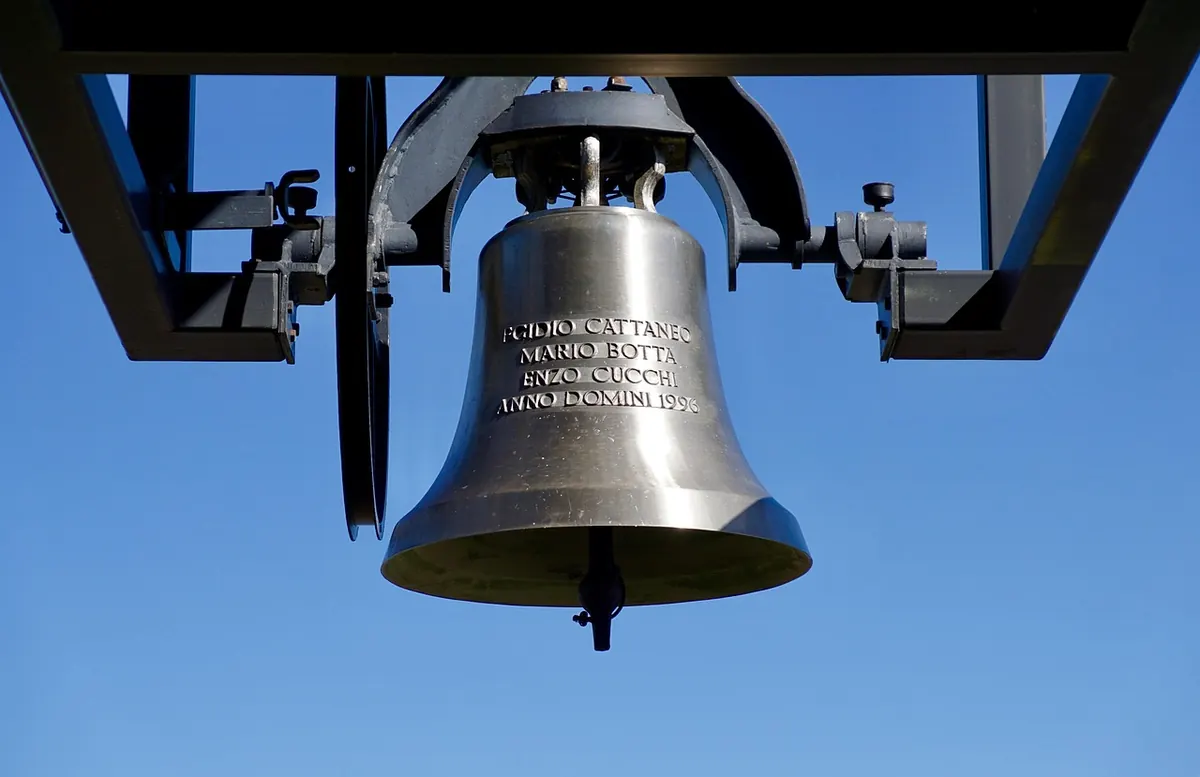
Photo: Satyress / Pixabay
Related Articles